Cookstown Dental Centre
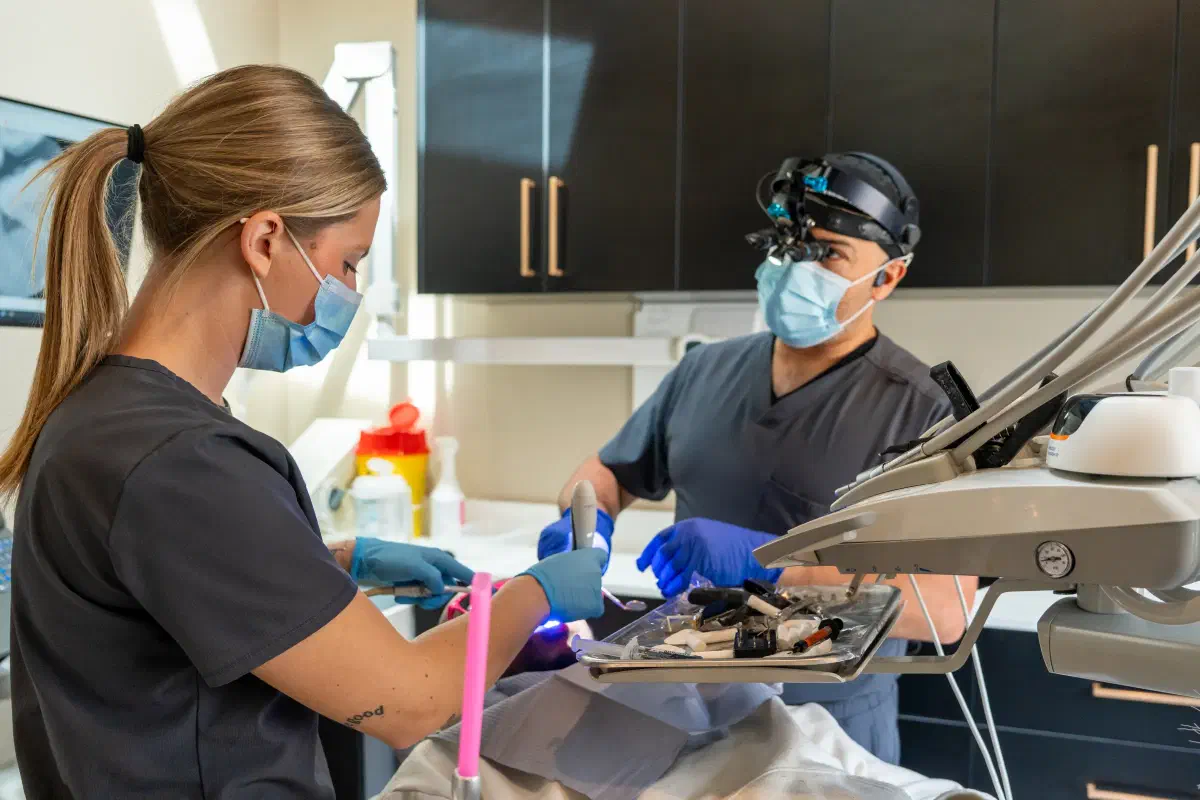
The Cookstown Dental Centre team caring for a patient in a treatment room

Specialized Care · Cookstown

Treat the source of the dental infection.

Dental infection treatment in Cookstown identifies the affected tooth, gum, or surrounding tissue and plans source-focused care, urgency, and follow-up.

Request an appointment

Let’s find a time that works.

Need urgent dental help? Call (705) 291-2222.

Treatment for a Dental Infection in Cookstown

An infection can begin in different parts of the mouth.

A dental infection may arise within a tooth, around its root, in a periodontal pocket, or in tissues around a partially erupted tooth. Pain, swelling, discharge, a bad taste, or tenderness can occur, but not every toothache is an infection and not every infection produces the same symptoms. An abscess is a localized collection of pus; infection-related concerns can also exist without an obvious visible collection.

Assessment identifies the source, checks whether the problem is spreading, and considers your medical history. Treatment may involve a tooth-preserving procedure, drainage, periodontal care, or extraction when appropriate. Antibiotics have a role in selected situations, but they do not replace the dental treatment needed to address the source. Rapidly spreading facial or neck swelling, breathing or swallowing difficulty, or serious illness requires urgent medical assessment rather than waiting for a routine dental visit.
Dentist explaining the possible source of a dental infection on a tooth and gum model

What we consider

Identify where the problem begins

Similar symptoms can lead to different treatment when the source is different.

Within a tooth or around its root

Decay, a fracture, or a problem involving the pulp may lead to infection around the root. The clinician assesses the tooth, surrounding tissues, tests, and imaging together. The amount of pain does not establish whether the tooth can be retained; restorability and supporting tissues are part of that decision.

Within the gums or around an erupting tooth

A periodontal pocket, trapped material, or tissues around a partially erupted tooth can produce infection-related symptoms. These sites need their own examination rather than an automatic root canal recommendation. The clinician also checks nearby teeth because a drainage point on the gum may originate from a tooth rather than the gum itself.

Planning together

Urgency depends on spread and general health

Describe more than the painful spot when you contact the office.

Symptoms to report promptly

Tell the team about swelling, discharge, fever, difficulty opening, a worsening bad taste, or pain that is escalating. Mention how quickly the problem changed and any recent dental procedure. Medical conditions, immune-related concerns, and medicines can affect the urgency and the treatment plan, so include them in the initial history.

Symptoms that need urgent medical care

Difficulty breathing or swallowing, rapidly spreading facial or neck swelling, swelling affecting the eye area, or serious systemic illness should not wait for an ordinary dental appointment. Seek urgent assessment. The dental source will still need attention, but immediate risks take priority over scheduling a routine procedure.

Understanding the options

Choose treatment for the source and prognosis

The aim is to control the problem while considering whether the tooth can be maintained.

Preserving a suitable tooth or treating the gums

Root canal treatment may address an infected tooth when it is restorable, while a periodontal source may need local treatment and a longer-term gum-care plan. Drainage can be part of care when clinically appropriate. The clinician explains what the first procedure accomplishes and what must follow to protect the result.

Removing a source that cannot be maintained

Extraction may be appropriate when a tooth has an unfavourable structural or periodontal prognosis or when it is the agreed option after alternatives are discussed. Infection does not automatically mean every tooth must be removed. The decision should account for your health, anatomy, preferences, and the effect of the resulting space.

Good to know

Understand the role of antibiotics

Medication decisions are made alongside source control, not instead of it.

When antibiotics may be indicated

Spreading infection, systemic involvement, and particular medical circumstances can justify antibiotics as part of a broader plan. The clinician selects treatment based on the situation and your history. Tell them about allergies, current medicines, and any antibiotics already taken so the recommendation is made with accurate information.

Why medication alone may be insufficient

An infected pulp, deposit-filled pocket, or another local source can remain after symptoms improve. Repeated antibiotic courses without definitive assessment may delay the necessary procedure. Do not use leftovers, share prescriptions, or assume a reduction in swelling means the underlying problem no longer requires dental care.

Step by step

Complete the plan after the urgent phase

Early improvement should lead into the remaining treatment and review.

  1. Follow the site-specific instructions

    After drainage, root canal treatment, periodontal care, or extraction, follow the instructions for cleaning, eating, medicines, and temporary materials. Ask what symptoms should improve and when to call. The advice differs by procedure, so a general infection label is not enough to determine the right aftercare routine.

  2. Check resolution and address the longer-term cause

    Attend the arranged follow-up and complete any final restoration or periodontal treatment. A tooth with an unfinished temporary stage may feel better while remaining vulnerable. The clinician can review healing and discuss prevention or maintenance that addresses the actual source rather than only the symptoms that brought you in.

Frequently asked questions

Questions about treatment for a dental infection

Is every toothache a dental infection?

No. Pulp inflammation, a crack, bite-related discomfort, and non-dental pain can cause similar symptoms. Examination and targeted tests are needed to establish the cause and decide whether infection-focused treatment is appropriate.

Is an abscess the same as any dental infection?

An abscess is a localized collection of pus, while dental infection concerns can have other presentations. The distinction helps describe the findings, but treatment still depends on the source, spread, and condition of the affected structures.

Can antibiotics cure an infected tooth without dental treatment?

They generally do not remove the underlying source within a damaged or infected tooth. Antibiotics may be needed in selected circumstances, but definitive dental treatment is often necessary even when medication temporarily reduces pain or swelling.

Will an infected tooth always need extraction?

No. A tooth may be suitable for root canal treatment and restoration. Extraction is considered when preservation is not reasonable or is not the chosen option after discussion of prognosis, alternatives, and the implications of removal.

What if the swelling drains and the pain improves?

Drainage can reduce pressure without eliminating the source. Arrange or keep the dental assessment so the cause can be treated. Do not assume that a bad taste followed by relief means the infection has permanently resolved.

Should I wait until antibiotics are finished before treatment?

Follow the treating clinician’s plan rather than assuming dental care must always wait. Source-focused treatment may be needed promptly, and the sequence depends on the clinical findings, your health, and the procedure being considered.

When should I seek emergency medical help?

Rapidly spreading swelling, difficulty breathing or swallowing, swelling involving the eye area, or serious illness requires urgent medical assessment. Do not wait for a routine appointment or rely on leftover medication while those symptoms progress.

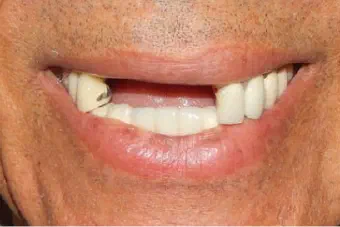
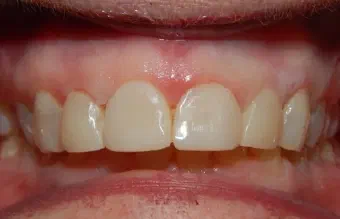
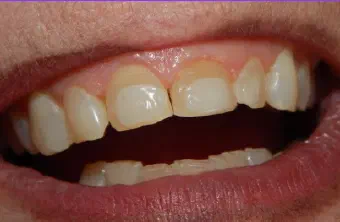
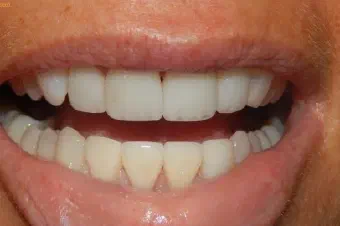
Real patient results

Before & after smile gallery.

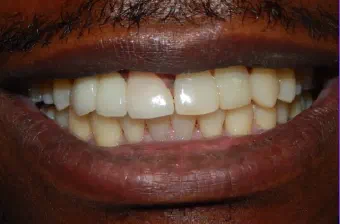
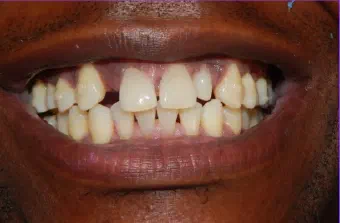
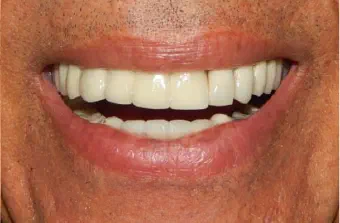
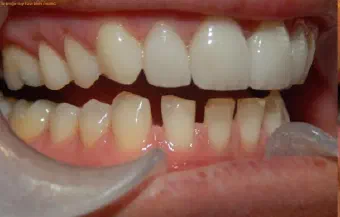
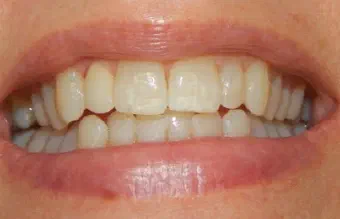
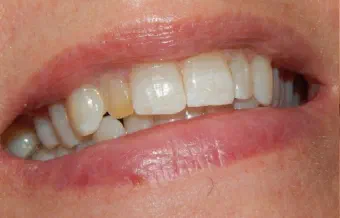
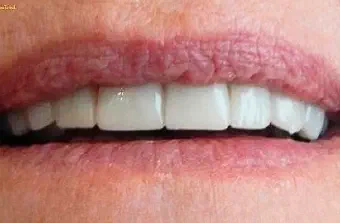
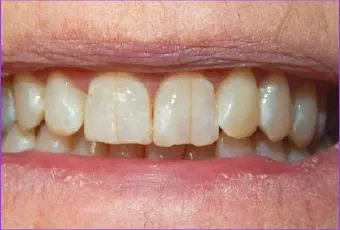
Drag the centre line to compare each real case treated by our dental team. Every smile begins with a personal assessment and a plan shaped around the patient.

Areas We Serve

Neighbourhood dental care, close to home.

Located in Cookstown, Innisfil, our dental team welcomes patients from communities across South Simcoe, Barrie, and northern York Region.

Get directions
  • Cookstown
  • Innisfil
  • Simcoe
  • Lake Simcoe
  • Alcona
  • Stroud
  • Lefroy–Belle Ewart
  • Gilford
  • Churchill
  • Sandy Cove
  • Innisfil Heights
  • Fennell’s Corners
  • Bradford
  • Bradford West Gwillimbury
  • Bond Head
  • Newton Robinson
  • New Tecumseth
  • Alliston
  • Beeton
  • Tottenham
  • Adjala–Tosorontio
  • Everett
  • Loretto
  • Barrie
  • Essa
  • Thornton
  • Baxter
  • Angus
  • Egbert
  • Ivy
  • Utopia
  • York Region
  • East Gwillimbury
  • Queensville
  • Holland Landing
  • Sharon
  • Schomberg
  • Nobleton

Don’t see your community listed? Contact us—we regularly welcome patients from throughout the surrounding region.

Google reviews

Kind words from our patients.

Read what patients have shared about their visits to Cookstown Dental Centre.

A dentist having a friendly consultation with a patient in a bright dental clinic

Your next step

Ready to feel good about your next dental visit?

Whether you are new to the clinic or returning for care, our team is here to make booking simple and answer your questions.

Call Book Now WhatsApp

How can we help?

The Cookstown Dental team is here for you.

Need an appointment, have a question, or want to talk through your options? Choose the next step that works best for you.

Send us a note

We’ll get back to you as soon as we can.