Cookstown Dental Centre
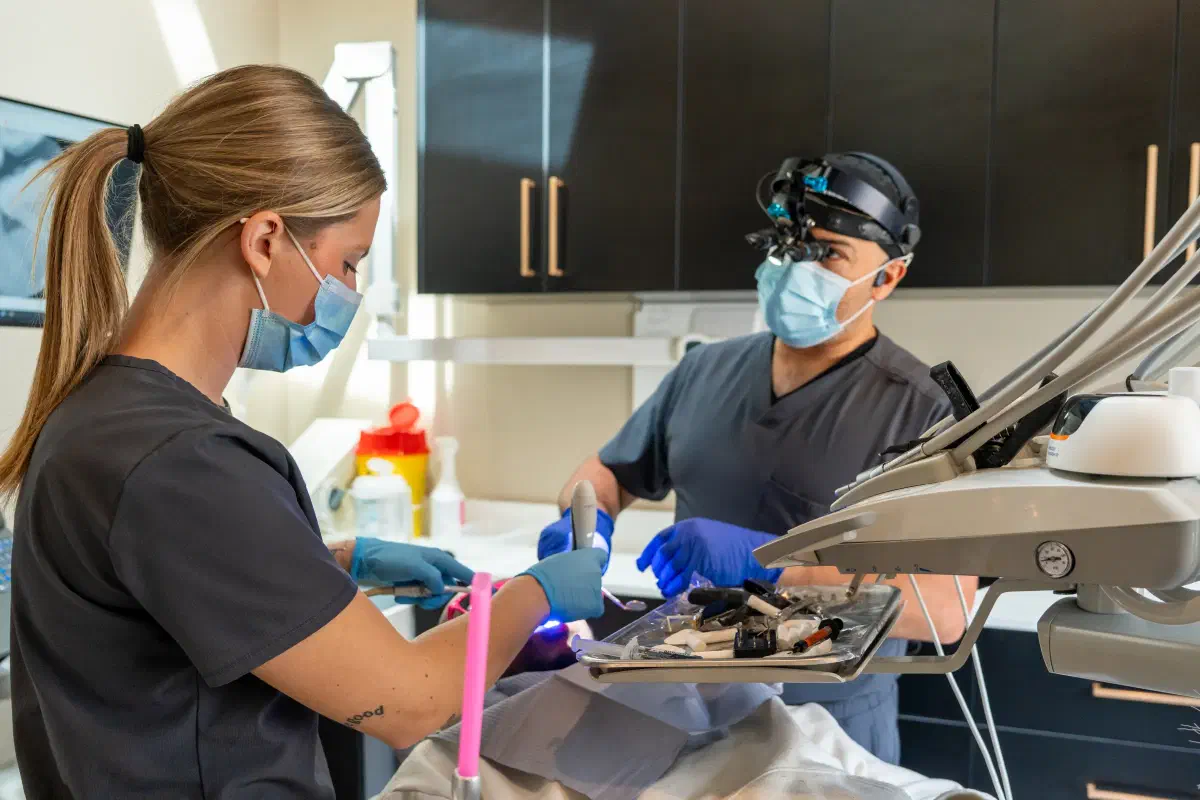
The Cookstown Dental Centre team caring for a patient in a treatment room

Cosmetic Dentistry · Cookstown

Find the cause of an uneven tooth position before choosing a cosmetic fix.

Rotated, tilted, and displaced teeth need more than a front-view comparison. Assess crooked teeth, bite effects, movement options, and cosmetic alternatives.

Request an appointment

Let’s find a time that works.

Need urgent dental help? Call (705) 291-2222.

Treatment for Crooked Teeth in Cookstown

Crooked describes an appearance, not a complete diagnosis.

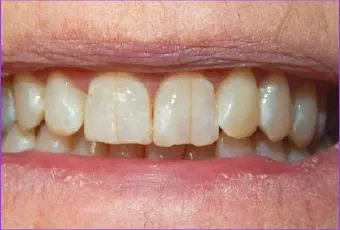
A tooth may look crooked because it is rotated, tilted, displaced, or shaped differently from its neighbours. Crowding can contribute, but not every crooked-looking tooth is part of a shortage of space. The position of the root, the bite, and the tooth’s natural contour can all influence the visible result and the treatment that would actually address it.

At Cookstown Dental Centre, we help identify which feature is responsible for the concern. We compare movement with any suitable cosmetic alternative and explain what each would leave unchanged. You may want a modest improvement or a broader correction; either goal needs an assessment of the whole mouth. The aim is a plan whose scope and maintenance are clear, rather than a quick visual fix that obscures an important bite or structural finding.
A patient discussing an uneven tooth position with a dentist

A closer look

Name the feature that makes the tooth look out of line.

A more precise description helps prevent the wrong procedure from being chosen for a familiar cosmetic concern.

  1. Rotation around the tooth’s position

    A rotated tooth presents a different surface to the front and can appear narrow, angled, or overlapping. The clinician assesses the movement needed and the space available. Simply changing its visible outline with material does not correct the rotation or establish that the resulting contour would be easy to clean.

  2. Tilt or displacement within the arch

    A tooth may lean or sit ahead of or behind neighbouring teeth. Its contacts with the opposing arch and supporting tissues matter when movement is considered. The visible crown is only part of the assessment, so treatment should not be based solely on aligning edges in a photograph.

  3. Shape or wear that resembles misalignment

    A worn corner, uneven length, or natural contour can make a well-positioned tooth appear crooked. If anatomy rather than position is the main issue, a different approach may be relevant. The dentist explains whether reshaping, bonding, movement, or observation addresses the actual feature without unnecessary treatment.

Practical guidance

Bring a goal that can be discussed in practical terms.

Your preference matters, but the proposed method needs to match the clinical findings.

Identify the view or activity that concerns you

Explain whether the tooth bothers you in photographs, catches the lip, feels awkward when biting, or is difficult to clean. These are different goals and may lead to different priorities. A cosmetic improvement alone may not resolve a functional complaint, so both should be discussed explicitly.

Describe any recent change

Mention whether the position has always looked this way or has changed after orthodontics, tooth loss, dental work, or a period of gum symptoms. A new displacement may need a different investigation from a stable lifelong variation. Previous photos and retainers can help describe the history without replacing an examination.

State your limits and preferences

Tell the dentist about concerns regarding appliances, tooth preparation, timing, or maintenance. Those preferences help compare reasonable choices, including leaving a healthy variation untreated. They should not lead to a promise that any desired change can be achieved with the least visible or fastest-sounding method.

Understanding the options

Distinguish moving the tooth from changing its appearance.

Both approaches can have a role, but they do different things to the tooth and smile.

Orthodontic correction

Movement addresses position and may be suitable for rotations, tilts, or broader alignment concerns. The clinician discusses the appliance, scope, monitoring, and retention. A limited plan still needs the bite assessed, and some movements or jaw relationships may benefit from specialist care rather than a general cosmetic proposal.

Cosmetic contour or restorative change

Selected bonding or recontouring can alter an outline when appropriate, but it does not move the root. A veneer or crown has further preparation and maintenance implications. The dentist should explain whether disguising the position would create undesirable bulk, remove too much structure, or leave the main concern unresolved.

What we consider

Evaluate the proposed endpoint, not only the starting irregularity.

A useful plan explains how the result would work and how it would be maintained.

Contacts and cleaning

The intended position or contour should allow appropriate contact and practical cleaning. Ask how the proposal affects the surfaces beside and behind the tooth. A front-view improvement should not be the only criterion if the change would create a difficult-to-clean ledge or an unfavourable bite contact.

Scope and accepted differences

A selected correction may leave another tooth position, gum level, or shape difference unchanged. Make those limits explicit before treatment. The result does not need to follow a universal cosmetic ideal, but any remaining compromise should be understood rather than discovered only after the procedure is complete.

Maintenance and future changes

Movement requires retention, while added restorative material may need polishing, repair, or replacement. Discuss these responsibilities when comparing options. A short procedure can still create a long-term maintenance commitment, and that commitment should be weighed alongside the initial appearance and appointment schedule.

Frequently asked questions

Questions about treatment for crooked teeth

Are crooked teeth always crowded?

No. A tooth can be rotated or tilted without the same space problem seen in generalized crowding. Shape and wear can also affect its appearance. The examination identifies the actual issue before a treatment designed for crowding is assumed to fit.

Can a veneer make a crooked tooth look straight?

Sometimes a restoration can change the visible appearance, but it does not reposition the tooth or root. Preparation, bulk, contacts, and maintenance need consideration. The dentist should compare that compromise with movement or a more conservative option where appropriate.

Can one rotated tooth be corrected without full treatment?

A limited approach may be possible, but the required space and bite effects must be assessed. Other teeth may need involvement. The clinician explains the scope rather than promising a one-tooth solution based only on how small the irregularity appears.

Does a crooked tooth always need treatment?

No. A stable healthy variation may be monitored if it does not create a concern you want addressed or a clinical issue requiring care. Discuss the benefits and trade-offs of intervention, including the option of leaving the tooth as it is.

Will straightening change the shape of the tooth?

Movement changes position, not the natural anatomy of the crown. A worn or differently shaped edge may still look uneven afterward. Discuss that possibility during planning so any later contour or restorative decision is deliberate rather than unexpected.

Can adult teeth be moved safely?

Adult orthodontics can be appropriate after assessing teeth, gums, supporting tissues, and the planned movement. Suitability is individual. Existing restorations and health concerns may affect the approach or require coordination before active treatment begins.

How do I keep a corrected rotation from returning?

Follow the prescribed retention plan and attend reviews. Rotations and other positions need ongoing support according to the clinician’s assessment. If a retainer becomes tight, damaged, or difficult to seat, seek advice rather than forcing it or stopping wear without a plan.

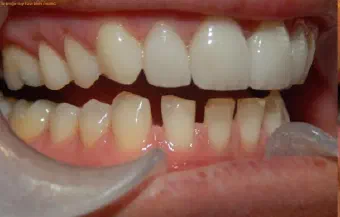
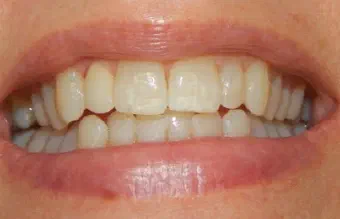
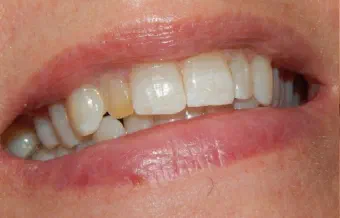
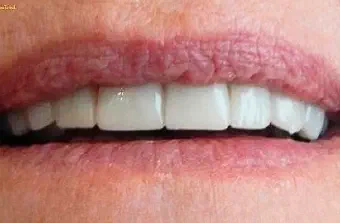
Real patient results

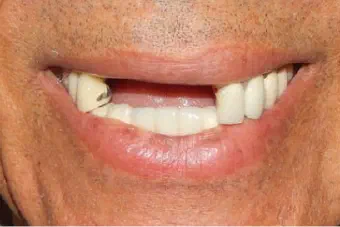
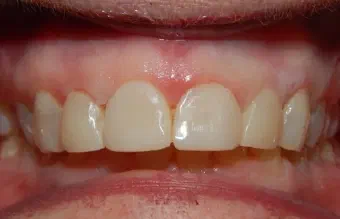
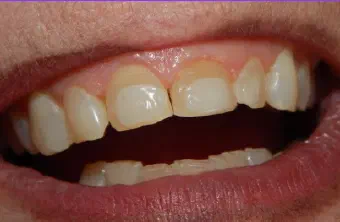
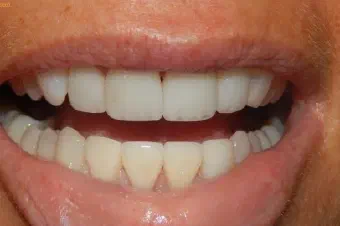
Before & after smile gallery.

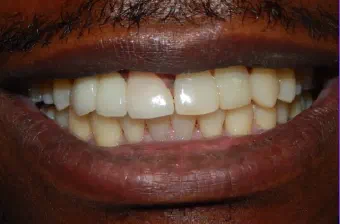
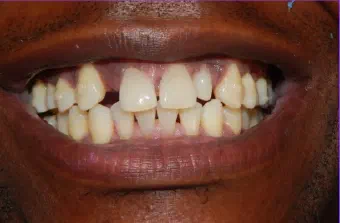
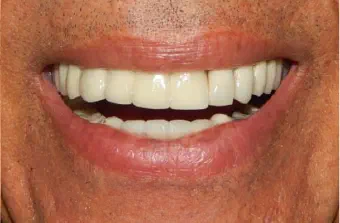
Drag the centre line to compare each real case treated by our dental team. Every smile begins with a personal assessment and a plan shaped around the patient.

Areas We Serve

Neighbourhood dental care, close to home.

Located in Cookstown, Innisfil, our dental team welcomes patients from communities across South Simcoe, Barrie, and northern York Region.

Get directions
  • Cookstown
  • Innisfil
  • Simcoe
  • Lake Simcoe
  • Alcona
  • Stroud
  • Lefroy–Belle Ewart
  • Gilford
  • Churchill
  • Sandy Cove
  • Innisfil Heights
  • Fennell’s Corners
  • Bradford
  • Bradford West Gwillimbury
  • Bond Head
  • Newton Robinson
  • New Tecumseth
  • Alliston
  • Beeton
  • Tottenham
  • Adjala–Tosorontio
  • Everett
  • Loretto
  • Barrie
  • Essa
  • Thornton
  • Baxter
  • Angus
  • Egbert
  • Ivy
  • Utopia
  • York Region
  • East Gwillimbury
  • Queensville
  • Holland Landing
  • Sharon
  • Schomberg
  • Nobleton

Don’t see your community listed? Contact us—we regularly welcome patients from throughout the surrounding region.

Google reviews

Kind words from our patients.

Read what patients have shared about their visits to Cookstown Dental Centre.

A dentist having a friendly consultation with a patient in a bright dental clinic

Your next step

Ready to feel good about your next dental visit?

Whether you are new to the clinic or returning for care, our team is here to make booking simple and answer your questions.

Call Book Now WhatsApp

How can we help?

The Cookstown Dental team is here for you.

Need an appointment, have a question, or want to talk through your options? Choose the next step that works best for you.

Send us a note

We’ll get back to you as soon as we can.