Cookstown Dental Centre
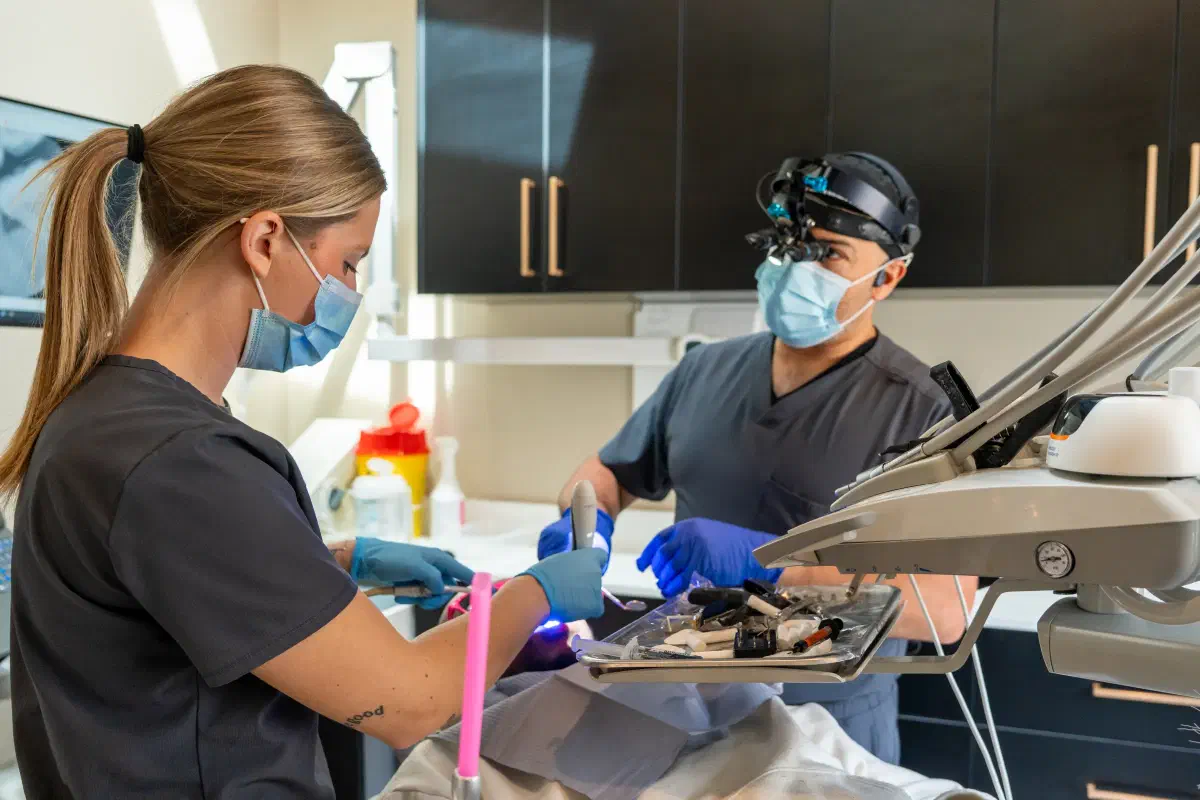
The Cookstown Dental Centre team caring for a patient in a treatment room

General & Family Dentistry · Cookstown

Find the reason behind the sudden zing.

Explore common sensitivity triggers, why an examination matters, and how treatment may range from home-care changes to addressing a damaged tooth.

Request an appointment

Let’s find a time that works.

Need urgent dental help? Call (705) 291-2222.

Treatment for Sensitive Teeth in Cookstown

Sensitivity is a symptom, not a diagnosis.

A cold drink, a sweet food, or brushing near the gumline can sometimes cause a sharp sensation in a tooth. That experience is often described as sensitivity, but several different problems can feel similar. The right treatment depends on whether the cause is an exposed surface, wear, decay, a crack, a restoration issue, or another condition.

At Cookstown Dental Centre, we start by asking what triggers the sensation, where it occurs, and how long it lasts. An examination helps decide whether a preventive or desensitizing approach is appropriate or whether the tooth needs other treatment. The aim is to improve comfort by addressing the cause rather than repeatedly masking a symptom.

A patient describing a sensitive tooth to a listening dentist

Understanding the details

Describe the pattern, not just the pain level.

Details about timing and triggers can help the dentist choose the right assessment. You do not need to deliberately provoke the tooth before your visit.

Brief sensitivity to cold or touch

Tell us whether the sensation stops quickly after the trigger is removed and whether it affects one tooth or several. Exposed dentin is one possible explanation, but the dentist still needs to assess the area. A familiar pattern does not prove that a newly sensitive tooth has the same cause.

Pain that lingers or starts on its own

A longer-lasting ache, spontaneous pain, or symptoms affecting sleep should be described clearly when booking. These features may need a different assessment from brief surface sensitivity. Do not assume a desensitizing toothpaste is sufficient simply because the discomfort began with a cold drink.

Discomfort when biting

Mention whether pain occurs on pressure, release, or chewing particular foods. A crack, bite-related issue, restoration problem, or another cause may need investigation. Avoid repeatedly testing the tooth with hard foods. Tell the team if there is swelling, a broken edge, or recent injury as well.

What matters most

The cause determines the treatment.

Several options can reduce discomfort in appropriate situations, but they are not interchangeable. The dentist should explain which finding the recommendation is intended to address.

Support an exposed or vulnerable surface

When the findings support dentin sensitivity, advice may include a suitable desensitizing toothpaste, gentle brushing, fluoride, or another targeted measure. The response may take time and needs review. Ask how to use the product and when to report a lack of improvement rather than switching products every few days.

Repair damage when required

Decay, a damaged restoration, or another structural problem may need treatment rather than a comfort product alone. The dentist can explain the options and expected benefit. A treatment decision should be based on the tooth’s condition, not only on how intense the symptom feels that day.

Investigate a deeper concern

Persistent or more complex symptoms may need additional tests, imaging, or referral. Some teeth require treatment beyond a filling or surface application. Ask what is known and what remains uncertain so the next step is understandable without jumping to the most involved procedure before assessment.

Two parts of the picture

Reduce triggers without abandoning daily care.

It is reasonable to avoid an obvious trigger temporarily, but long-term management should protect the mouth as well as make it feel more comfortable.

A gentler home routine

Ask about brush pressure, technique, and products if cleaning is uncomfortable. Avoid abrasive home remedies or aggressive scrubbing. If whitening products seem related to the timing, tell the dentist and discuss whether to pause them. A suitable routine should still clean the area effectively.

An assessment when the pattern changes

New symptoms, worsening pain, swelling, or a damaged tooth need review. Do not let temporary relief convince you that the cause has been resolved. A sensitive-tooth product may help some situations while leaving another problem untreated, so the plan should include a clear review point.

Your care, step by step

Assess, try the plan, and check the response.

A structured approach helps avoid repeated trial and error. You should know what the first recommendation aims to do and how its success will be judged.

  1. Bring a useful symptom history

    Note the tooth or area, triggers, duration, and when the problem started. Mention recent dental work, whitening, injury, or a change in products. Tell the dentist what you have tried and whether it changed the symptom. This context helps guide examination and any further tests.

  2. Follow the agreed instructions

    Use recommended products or aftercare as directed and keep the routine consistent for the advised period. Ask about eating and cleaning if treatment has been provided. Do not add several remedies at once, because that can make it harder to understand what is helping or irritating the area.

  3. Review persistent or different symptoms

    Contact the clinic if the plan is not helping as expected or if the pain changes. The dentist may need to reassess the diagnosis or treatment. Seek prompt advice for swelling or significant pain, and emergency help for difficulty breathing or swallowing.

Frequently asked questions

Your questions about treatment for sensitive teeth.

Does sensitivity always mean a cavity?

No. Exposed dentin, wear, cracks, restorations, and other conditions can produce similar symptoms. An examination is needed to identify the likely cause. Tell the dentist about the trigger and duration rather than deciding on treatment solely from the word sensitivity.

Can sensitive-tooth toothpaste fix the problem?

It may help when the diagnosis and product are appropriate, but it cannot repair every cause of tooth pain. Some products need repeated use before benefit is noticed. Ask how long to try the plan and when persistent symptoms should be reassessed.

Why is only one tooth sensitive?

A single-tooth symptom may relate to a local surface, restoration, crack, decay, or another issue. The pattern helps guide assessment but does not establish the diagnosis. Tell the clinic if pain lingers, occurs when biting, or comes with swelling so the visit can be planned appropriately.

Should I stop brushing the sensitive area?

Avoiding the area indefinitely can make oral care more difficult. Ask for a gentle technique and an assessment of the cause. Do not force painful scrubbing or use abrasive remedies. The plan should help you maintain cleaning while addressing the source of discomfort.

Can whitening cause sensitivity?

Sensitivity can occur with whitening, but timing alone does not rule out another problem. Tell the dentist which product you used and when symptoms began. Discuss whether to pause it and have persistent or localized pain assessed rather than repeatedly changing whitening products.

Does sensitivity mean I need a root canal?

Not automatically. Treatment depends on the diagnosis and condition of the tooth. Many sensitivity concerns are managed differently, while some persistent symptoms need more involved care. Ask the dentist to explain the findings and options before assuming a particular procedure is inevitable.

When should I call sooner rather than try a product?

Call about persistent, worsening, spontaneous, or biting pain, and mention swelling or damage. A new pattern deserves assessment even if a product helped before. Difficulty breathing or swallowing requires emergency help rather than waiting for a routine dental appointment.

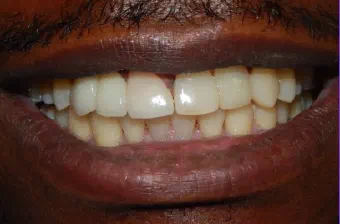
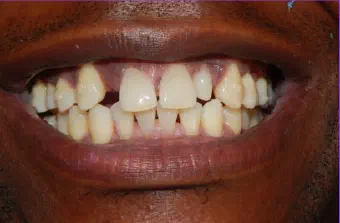
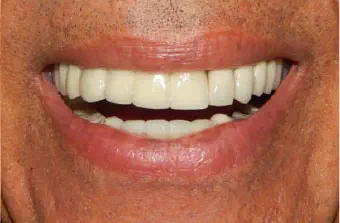
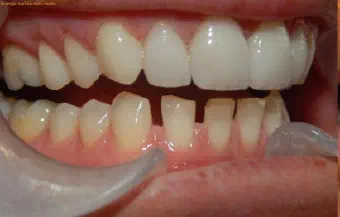
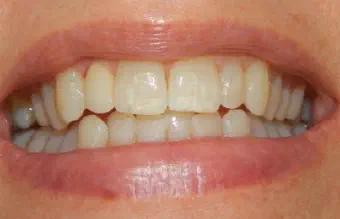
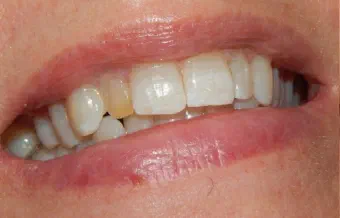
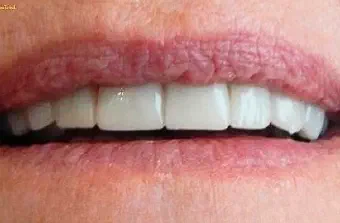
Real patient results

Before & after smile gallery.

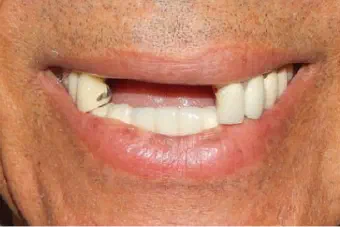
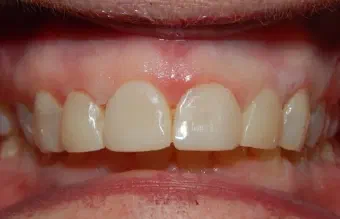
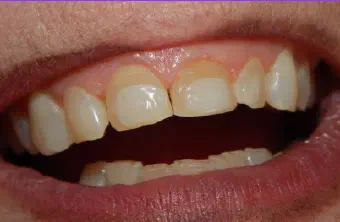
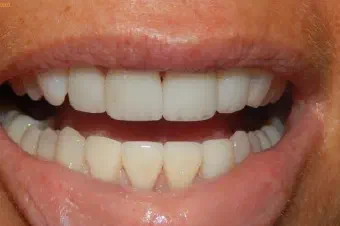
Drag the centre line to compare each real case treated by our dental team. Every smile begins with a personal assessment and a plan shaped around the patient.

Areas We Serve

Neighbourhood dental care, close to home.

Located in Cookstown, Innisfil, our dental team welcomes patients from communities across South Simcoe, Barrie, and northern York Region.

Get directions
  • Cookstown
  • Innisfil
  • Simcoe
  • Lake Simcoe
  • Alcona
  • Stroud
  • Lefroy–Belle Ewart
  • Gilford
  • Churchill
  • Sandy Cove
  • Innisfil Heights
  • Fennell’s Corners
  • Bradford
  • Bradford West Gwillimbury
  • Bond Head
  • Newton Robinson
  • New Tecumseth
  • Alliston
  • Beeton
  • Tottenham
  • Adjala–Tosorontio
  • Everett
  • Loretto
  • Barrie
  • Essa
  • Thornton
  • Baxter
  • Angus
  • Egbert
  • Ivy
  • Utopia
  • York Region
  • East Gwillimbury
  • Queensville
  • Holland Landing
  • Sharon
  • Schomberg
  • Nobleton

Don’t see your community listed? Contact us—we regularly welcome patients from throughout the surrounding region.

Google reviews

Kind words from our patients.

Read what patients have shared about their visits to Cookstown Dental Centre.

A dentist having a friendly consultation with a patient in a bright dental clinic

Your next step

Ready to feel good about your next dental visit?

Whether you are new to the clinic or returning for care, our team is here to make booking simple and answer your questions.

Call Book Now WhatsApp

How can we help?

The Cookstown Dental team is here for you.

Need an appointment, have a question, or want to talk through your options? Choose the next step that works best for you.

Send us a note

We’ll get back to you as soon as we can.