Cookstown Dental Centre
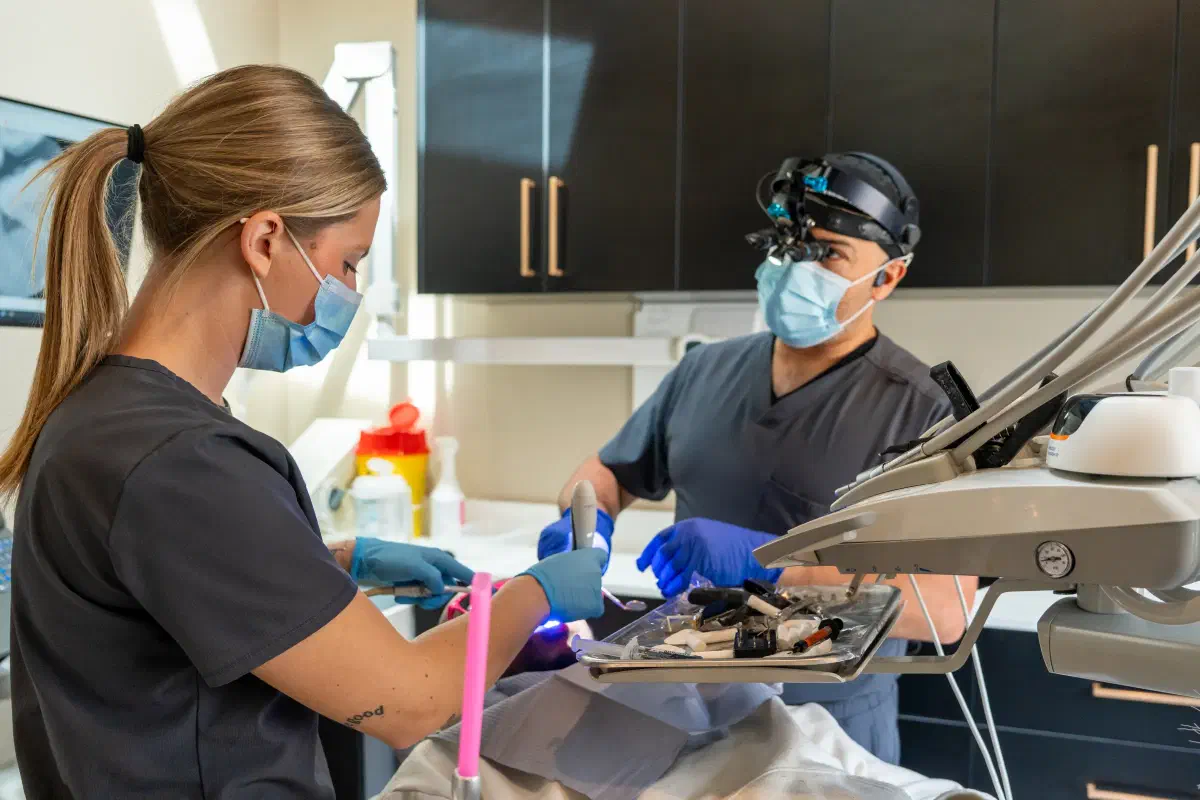
The Cookstown Dental Centre team caring for a patient in a treatment room

Cosmetic Dentistry · Cookstown

Separate tooth position from jaw position when assessing an underbite.

Lower front teeth ahead of upper teeth can reflect dental or jaw relationships. Review underbite assessment, orthodontic limits, and specialist treatment planning.

Request an appointment

Let’s find a time that works.

Need urgent dental help? Call (705) 291-2222.

Treatment for Underbite in Cookstown

The visible front-tooth relationship is the beginning of the diagnosis.

An underbite commonly describes lower front teeth sitting ahead of the upper front teeth when the teeth are together. The relationship may involve tooth positions, the jaws, or a combination. Some front-tooth crossbites can look similar, which is why a label or photograph cannot determine the right treatment by itself.

At Cookstown Dental Centre, we assess how the teeth meet, how the jaw closes, and what you want to change. Age and growth, supporting tissues, existing dental work, and the extent of the relationship all influence planning. We explain whether orthodontic specialist assessment is appropriate and whether a proposed tooth-only correction would have important limits. Treatment should be presented with a realistic scope, including when a broader coordinated approach needs consideration.
A dentist discussing upper and lower jaw relationships using a dental model

What we consider

Identify the components of the relationship.

A useful explanation distinguishes findings that may look similar from the front but require different planning.

The position of the front teeth

The clinician examines the upper and lower tooth inclinations and contacts. A dental component may be important even when the profile draws most attention. The proposed movement needs to remain appropriate for the roots and supporting tissues rather than simply making the visible edges meet in a preferred way.

The relationship of the jaws

A skeletal difference can limit what tooth movement alone can achieve. The dentist explains when specialist assessment would clarify the options, including whether a surgical opinion is relevant. Not every underbite requires surgery, but a significant jaw relationship should not be hidden behind a promise of a simple aligner correction.

The path of closure and current function

Describe whether the jaw shifts when closing, where teeth contact first, and any chewing difficulty or discomfort. These findings need assessment in the mouth. Symptoms may have several causes, so improving the bite should not be presented as a guaranteed solution for every jaw or facial complaint.

A closer look

Age and treatment scope change the available choices.

Planning should reflect the person’s stage of growth and actual diagnosis rather than a generic before-and-after example.

  1. Assessment while growth is occurring

    In a child or adolescent, timing and growth may influence the recommendation and need for monitoring or specialist care. Early assessment does not guarantee that later treatment will be avoided. The provider should explain what can be addressed now and which aspects may need reassessment as development continues.

  2. Assessment after growth

    An adult plan must work within the current dental and jaw relationships. Existing restorations, gum health, and tooth support also matter. The clinician explains whether orthodontic movement alone offers a reasonable result or whether accepting that approach means accepting a specific compromise in the broader relationship.

  3. Considering a coordinated specialist approach

    When complexity warrants it, an orthodontist and other specialists can clarify a more comprehensive plan. The discussion may include the role and implications of jaw surgery in selected cases. Such a referral is for diagnosis and informed comparison, not an assumption that every patient with an underbite must undergo an operation.

Understanding the options

Compare a limited dental change with a broader correction.

The two may aim for different outcomes, even when both improve the front-tooth appearance.

An appropriate tooth-movement plan

Orthodontics may address a dental component or provide a suitable limited correction in selected situations. Ask exactly what relationship would change and what would remain. The choice of aligners, braces, or another method should follow the required movement and clinician’s assessment rather than the desire to avoid a particular appliance.

A plan that also addresses jaw position

For some skeletal relationships, a broader specialist plan may be needed to pursue the desired correction. Its scope, stages, risks, and recovery implications require an individual discussion. Comparing it with a tooth-only option means comparing different goals and compromises, not merely different routes to an identical result.

Care that fits

Prepare for a consultation that answers the right questions.

Relevant history and specific concerns help the assessment move beyond an appearance-only discussion.

Bring earlier treatment information

Previous orthodontic records, retainers, and details of any jaw or dental procedures can help explain the history. Mention whether the relationship has changed over time. Existing records support the assessment, but current examination and any indicated new records remain necessary for a present-day plan.

Describe function and appearance separately

Explain what concerns you about chewing, tooth contact, profile, or the smile, and which change matters most. The achievable benefit may differ across those goals. A clear priority helps the clinician explain whether the proposed treatment addresses your main concern or only one visible part of it.

Ask about the full sequence and maintenance

Clarify who provides each stage, what decisions depend on specialist assessment, and how the result would be maintained. Discuss retention and any restorative coordination early. A useful proposal includes the responsibilities after active correction as well as the appliance or procedure used to reach it.

Frequently asked questions

Questions about treatment for underbite

Is an underbite always caused by jaw size?

No. Tooth position, jaw relationships, and sometimes the way the jaw closes can contribute. The examination distinguishes those components. A photograph of the front teeth cannot establish whether the problem is mainly dental, skeletal, or a combination.

Can clear aligners correct an underbite?

They may be considered for selected dental movements, but they cannot be assumed to correct every jaw relationship. The clinician should explain the actual scope and any compromise. More complex cases may need specialist planning or another approach.

Does an adult underbite always need surgery?

No. The options depend on the diagnosis and goals. Some situations may be considered for orthodontic care alone, while others warrant a surgical opinion to explore a broader correction. The distinction should be explained without promising that all cases fit one route.

Should a child’s underbite wait until all adult teeth arrive?

An orthodontic assessment can be useful earlier to evaluate growth and timing. It does not mean treatment must start immediately. A specialist can explain monitoring and possible intervention rather than relying on a general rule to wait for every permanent tooth.

Can bonding or veneers hide an underbite?

Restorations can change tooth shape but do not independently correct a jaw relationship. Trying to disguise the bite may create preparation, contour, or contact problems. The dentist should assess the underlying relationship before offering an appearance-focused restoration as a substitute for orthodontic advice.

Will correcting the bite change my facial profile?

The effect depends on the components being treated and the chosen approach. Tooth movement and jaw surgery can have different implications. Discuss the expected changes and uncertainty with the relevant clinician rather than assuming that front-tooth alignment guarantees a particular profile.

What if I choose not to proceed with treatment?

Ask which findings need monitoring and what the likely implications are in your case. Declining an elective correction does not mean abandoning dental care. Symptoms, wear, gum health, and changes in the bite can still be assessed and managed as appropriate.

Real patient results

Before & after smile gallery.

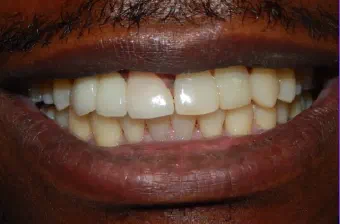
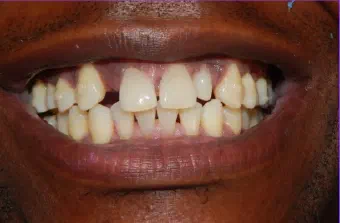
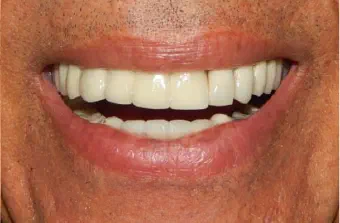
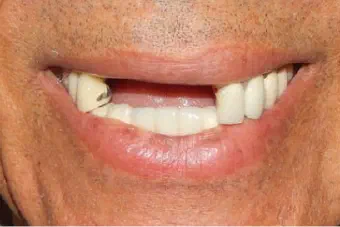
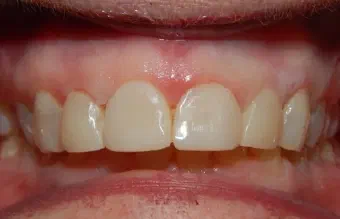
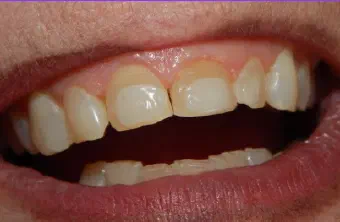
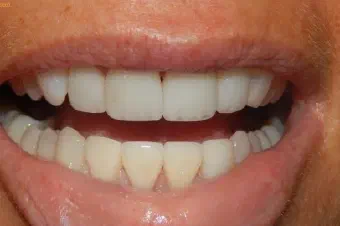
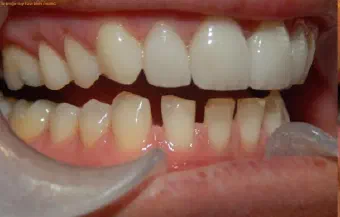
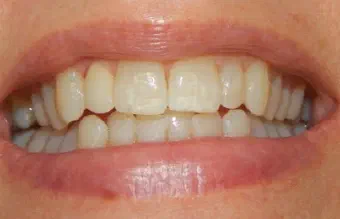
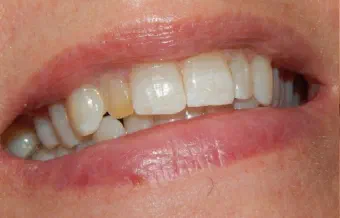
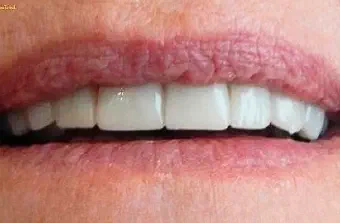
Drag the centre line to compare each real case treated by our dental team. Every smile begins with a personal assessment and a plan shaped around the patient.

Areas We Serve

Neighbourhood dental care, close to home.

Located in Cookstown, Innisfil, our dental team welcomes patients from communities across South Simcoe, Barrie, and northern York Region.

Get directions
  • Cookstown
  • Innisfil
  • Simcoe
  • Lake Simcoe
  • Alcona
  • Stroud
  • Lefroy–Belle Ewart
  • Gilford
  • Churchill
  • Sandy Cove
  • Innisfil Heights
  • Fennell’s Corners
  • Bradford
  • Bradford West Gwillimbury
  • Bond Head
  • Newton Robinson
  • New Tecumseth
  • Alliston
  • Beeton
  • Tottenham
  • Adjala–Tosorontio
  • Everett
  • Loretto
  • Barrie
  • Essa
  • Thornton
  • Baxter
  • Angus
  • Egbert
  • Ivy
  • Utopia
  • York Region
  • East Gwillimbury
  • Queensville
  • Holland Landing
  • Sharon
  • Schomberg
  • Nobleton

Don’t see your community listed? Contact us—we regularly welcome patients from throughout the surrounding region.

Google reviews

Kind words from our patients.

Read what patients have shared about their visits to Cookstown Dental Centre.

A dentist having a friendly consultation with a patient in a bright dental clinic

Your next step

Ready to feel good about your next dental visit?

Whether you are new to the clinic or returning for care, our team is here to make booking simple and answer your questions.

Call Book Now WhatsApp

How can we help?

The Cookstown Dental team is here for you.

Need an appointment, have a question, or want to talk through your options? Choose the next step that works best for you.

Send us a note

We’ll get back to you as soon as we can.