Cookstown Dental Centre
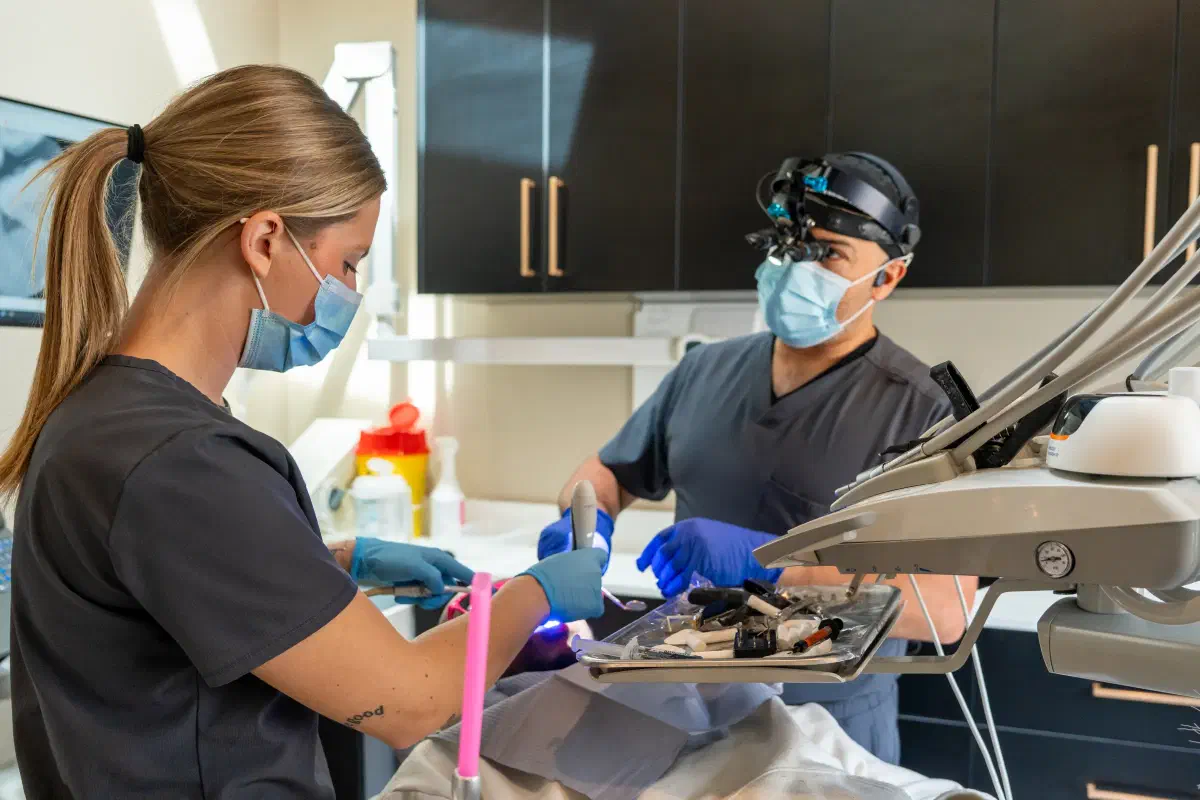
The Cookstown Dental Centre team caring for a patient in a treatment room

Specialized Care · Cookstown

Find the reason for wisdom-tooth pain.

Wisdom tooth pain treatment in Cookstown distinguishes inflamed surrounding gums, decay, and nearby tooth problems, then plans immediate care and the next step.

Request an appointment

Let’s find a time that works.

Need urgent dental help? Call (705) 291-2222.

Wisdom Tooth Pain Treatment in Cookstown

Pain at the back of the mouth can have more than one source.

A wisdom tooth can become uncomfortable when surrounding tissues are inflamed, when decay affects the tooth, or when another problem develops nearby. Food trapping around a partly erupted tooth may contribute, but a painful second molar, a jaw problem, or another condition can feel similar. The location of the pain is a starting point for assessment rather than proof of the diagnosis.

Treatment addresses the immediate cause and considers whether the problem is likely to recur. Some situations need local care and review; others lead to a discussion about extraction or referral. Antibiotics are not automatically the first or only treatment for every painful wisdom tooth. Swelling, difficulty opening, and general illness affect urgency, while breathing or swallowing difficulty or rapidly spreading swelling requires urgent medical assessment.

Dentist discussing pain around a wisdom tooth with a patient while pointing to the back of a jaw model

Good to know

Describe the current episode

The details help separate a local irritation from a problem needing more urgent care.

Pain, swelling, and function

Tell the team when symptoms began, whether they are worsening, and whether eating or opening the mouth is difficult. Mention a bad taste, discharge, fever, or swelling that extends beyond the immediate gum area. A change from a familiar mild irritation to a more severe pattern should be reported rather than managed as usual.

Previous episodes and treatment

Describe earlier flare-ups, antibiotics, local treatment, and any previous recommendation about removal. Bring relevant X-rays if available and share your medical history and medicines. Repeated temporary improvement is useful information because it may indicate that the underlying cause has not been resolved even though symptoms have settled between episodes.

What we consider

Check the wisdom tooth and its neighbours

Treatment is more effective when it follows the actual source of pain.

The surrounding gum and eruption pattern

The clinician checks for inflamed tissue around a partly erupted tooth, trapped material, cleaning access, and signs of infection or spread. The relationship with the opposing tooth may also be relevant. The examination establishes whether local tissue care is appropriate and whether the anatomy makes recurrent problems more likely.

The tooth, adjacent molar, and other sources

Decay, fracture, pulp-related pain, periodontal disease, or a problem in the neighbouring tooth can produce similar symptoms. Targeted tests and imaging may be needed. Finding an impacted wisdom tooth on an X-ray does not by itself prove that it is responsible for all pain in that part of the mouth.

Understanding the options

Immediate care and the longer-term decision

Relieving an episode and preventing recurrence are related but separate goals.

Care for the acute problem

Depending on the findings, local cleaning, treatment of a dental source, appropriate pain-relief advice, or another intervention may be recommended. Medication choices account for your medical history. Antibiotics are reserved for suitable clinical indications, such as spreading or systemic infection, rather than used as a universal substitute for assessment and local treatment.

A plan for a repeatedly troublesome tooth

If episodes recur or disease makes the tooth difficult to maintain, removal may be discussed after reviewing anatomy, alternatives, and surgical risk. Some cases need referral. The decision should explain why extraction is expected to help and whether the acute episode changes the timing, setting, or preparation for the procedure.

Practical guidance

While waiting for treatment

Use gentle care and seek advice that fits your health history.

Avoid injuring the inflamed area

Do not dig under the gum with sharp objects, squeeze a swelling, or place aspirin or household substances against the tissues. Keep the area as clean as comfortably possible using the clinician’s advice. If you cannot clean or eat because of pain or limited opening, tell the office so the urgency can be reassessed.

Use medicines appropriately and watch the trend

Ask a dentist or pharmacist about suitable pain relief and follow labelled or prescribed instructions. Do not use leftover antibiotics or stop prescribed medicines on your own. A reduction in pain is helpful, but worsening swelling, increasing restriction, or new general illness should prompt renewed contact rather than continued self-treatment.

Step by step

After the painful episode is managed

Follow-up helps avoid a cycle of repeated urgent visits without a lasting plan.

  1. Check that the immediate problem has settled

    Attend the recommended review and report persistent tenderness, discharge, or difficulty opening. If a temporary measure was used, confirm whether further treatment is still required. The clinician can reassess the tissues after the acute symptoms improve and determine whether the original diagnosis and plan remain appropriate.

  2. Confirm monitoring, removal, or referral

    If the tooth will remain, ask about cleaning access, review, and symptoms that should trigger an earlier appointment. If extraction is planned, discuss the provider, risks, comfort options, and recovery instructions. The next step should be explicit so symptom relief is not mistaken for completion of a decision that still needs to be made.

Frequently asked questions

Questions about wisdom tooth pain treatment

Is wisdom-tooth pain always an infection?

No. Inflamed surrounding tissue, decay, a fractured tooth, a neighbouring molar, or another source can cause pain in the same area. Examination is needed to identify the cause and select appropriate treatment.

Will I need antibiotics?

Not automatically. Many localized problems need dental or local tissue treatment rather than antibiotics alone. The clinician considers spread, systemic symptoms, medical factors, and the source before deciding whether medication is indicated.

Does one painful episode mean the tooth must be removed?

Not necessarily. The decision depends on the cause, recurrence, maintainability, disease, anatomy, and surgical risks. An assessment can distinguish an episode that can be monitored from a tooth likely to remain troublesome or damage nearby structures.

Why does the dentist check the tooth in front of it?

The second molar can develop decay, periodontal problems, or other pain sources near a wisdom tooth. Checking both helps avoid attributing pain to the wisdom tooth solely because it is partly erupted or impacted.

Can I clean under the gum flap myself?

Avoid sharp objects or forceful probing. Ask for a safe cleaning method suited to the area and your symptoms. Significant pain, swelling, or restricted opening needs assessment rather than repeated attempts to remove trapped material at home.

What if the pain keeps coming back after antibiotics?

Repeated episodes suggest the underlying source needs reassessment and a clearer long-term plan. Medication may reduce symptoms without resolving the local cause. Discuss definitive treatment, monitoring, or referral rather than relying on repeated courses alone.

When should I seek urgent medical help?

Seek emergency care if the painful episode starts to affect breathing or swallowing, or swelling spreads rapidly into the face or neck. Serious illness is another urgent warning. An extraction booking or an antibiotic prescription does not make it appropriate to wait through those changes.

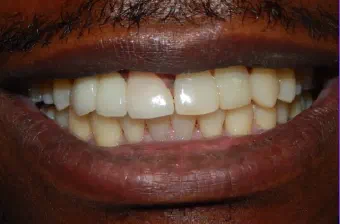
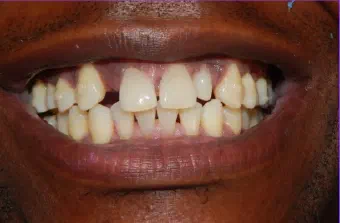
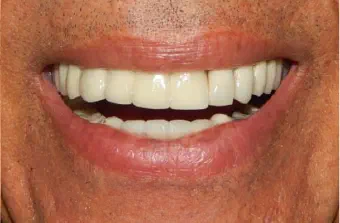
Real patient results

Before & after smile gallery.

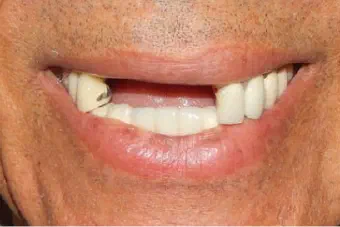
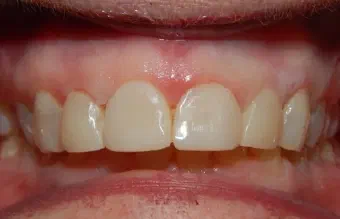
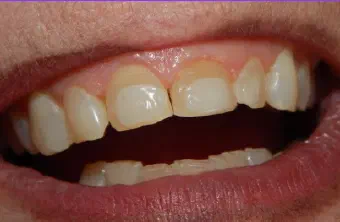
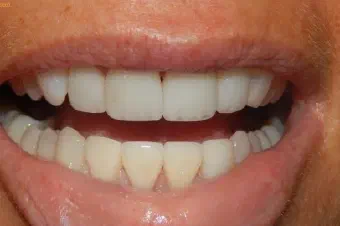
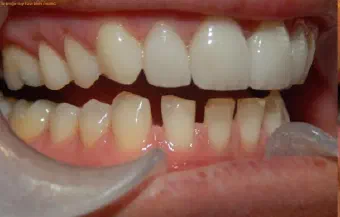
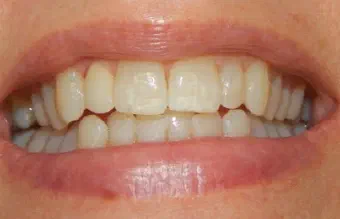
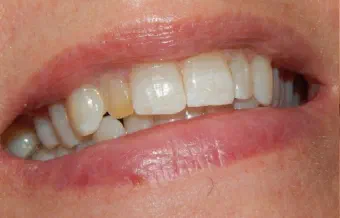
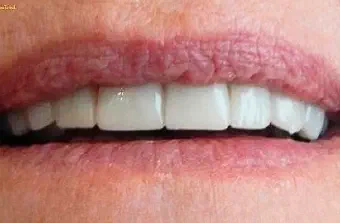
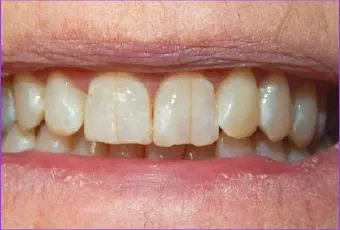
Drag the centre line to compare each real case treated by our dental team. Every smile begins with a personal assessment and a plan shaped around the patient.

Areas We Serve

Neighbourhood dental care, close to home.

Located in Cookstown, Innisfil, our dental team welcomes patients from communities across South Simcoe, Barrie, and northern York Region.

Get directions
  • Cookstown
  • Innisfil
  • Simcoe
  • Lake Simcoe
  • Alcona
  • Stroud
  • Lefroy–Belle Ewart
  • Gilford
  • Churchill
  • Sandy Cove
  • Innisfil Heights
  • Fennell’s Corners
  • Bradford
  • Bradford West Gwillimbury
  • Bond Head
  • Newton Robinson
  • New Tecumseth
  • Alliston
  • Beeton
  • Tottenham
  • Adjala–Tosorontio
  • Everett
  • Loretto
  • Barrie
  • Essa
  • Thornton
  • Baxter
  • Angus
  • Egbert
  • Ivy
  • Utopia
  • York Region
  • East Gwillimbury
  • Queensville
  • Holland Landing
  • Sharon
  • Schomberg
  • Nobleton

Don’t see your community listed? Contact us—we regularly welcome patients from throughout the surrounding region.

Google reviews

Kind words from our patients.

Read what patients have shared about their visits to Cookstown Dental Centre.

A dentist having a friendly consultation with a patient in a bright dental clinic

Your next step

Ready to feel good about your next dental visit?

Whether you are new to the clinic or returning for care, our team is here to make booking simple and answer your questions.

Call Book Now WhatsApp

How can we help?

The Cookstown Dental team is here for you.

Need an appointment, have a question, or want to talk through your options? Choose the next step that works best for you.

Send us a note

We’ll get back to you as soon as we can.