Cookstown Dental Centre
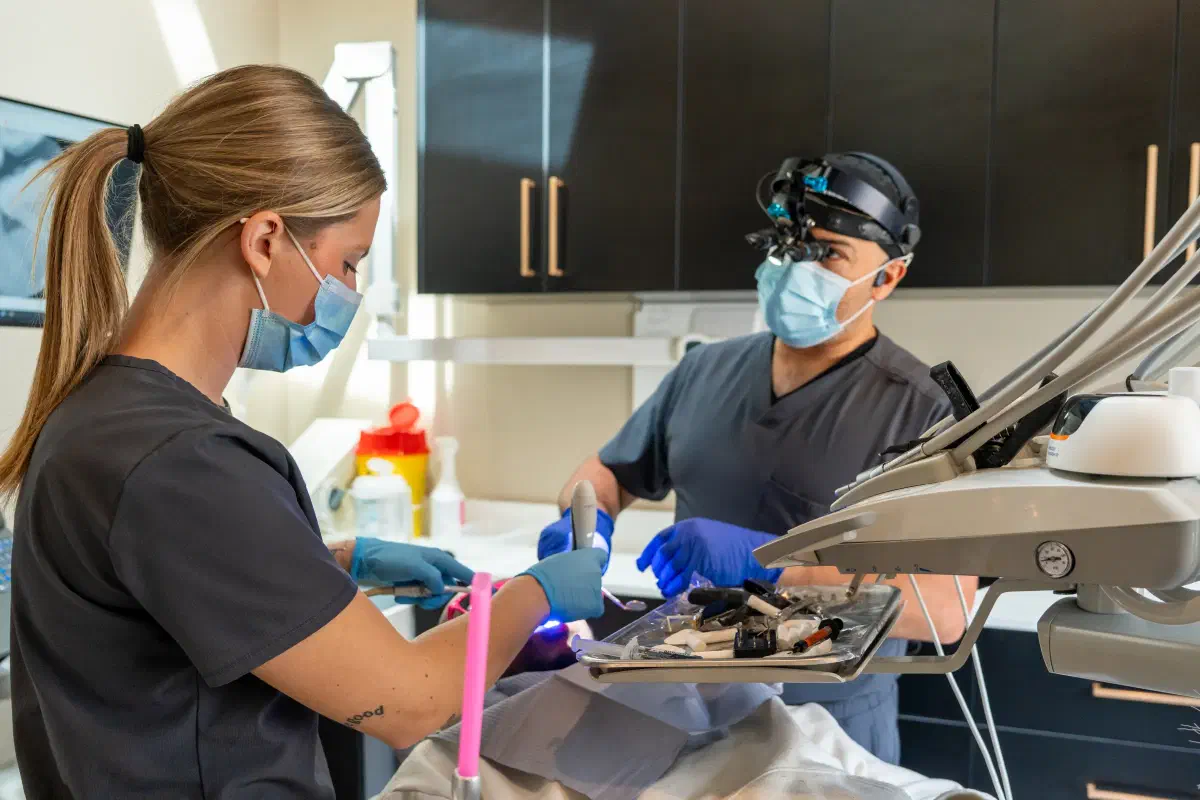
The Cookstown Dental Centre team caring for a patient in a treatment room

Restorative Dentistry · Cookstown

Restore worn teeth according to the structure and function that need rebuilding.

Worn tooth restoration balances cause control, remaining structure, and bite relationships. Explore additive repairs, coverage, staged care, and long-term review.

Request an appointment

Let’s find a time that works.

Need urgent dental help? Call (705) 291-2222.

Worn Tooth Restoration in Cookstown

The goal is a useful, maintainable result rather than the same treatment for every worn tooth.

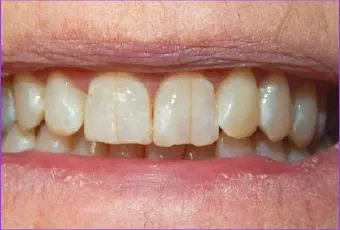
Worn teeth can affect sensitivity, appearance, chewing surfaces, and the way the bite works. The loss may involve grinding, acid exposure, other mechanical wear, or several factors together. Restoring the visible shape is only one part of care: the cause, remaining support, and space for a suitable restoration need assessment as well.

At Cookstown Dental Centre, we discuss which changes matter most to you and whether the wear is stable or progressing. Some teeth may benefit from conservative additions or localized protection, while extensive damage may require coordinated treatment across several areas. A worn appearance does not automatically justify crowning every tooth. The plan should explain the purpose of each restoration, the tradeoffs, and how ongoing wear and maintenance will be managed.
A patient discussing restoration of worn teeth with a dentist and a dental model

Care that fits

Define the problems the restoration needs to solve.

Clear goals help keep the scope connected to the actual effects of wear.

Sensitivity, fracture risk, or impaired function

The dentist identifies whether exposed surfaces, weakened cusps, or damaged restorations need attention. Pain and cracks require their own assessment rather than being attributed to wear alone. Treatment priorities may differ between a structurally vulnerable tooth and a worn surface that remains comfortable and functional.

Appearance and changes in tooth form

Shortened edges, uneven contours, or altered proportions may be concerns even without pain. Discuss the features you want to change and realistic limits. The proposed shape must work with the bite, speech, tissues, and cleaning needs rather than be selected only from an idealized picture.

What we consider

Assess the foundation for any added or covering material.

A restoration needs suitable support and room to function.

The remaining tooth and existing restorations

The clinician evaluates thickness, cracks, decay, fillings, and the amount of sound structure available. These findings influence whether material can be added conservatively or whether coverage is needed. The same amount of visible wear can lead to different choices in teeth with different structural histories.

Contacts, space, and jaw relationships

Available restorative space and the way the teeth meet affect design. When changes across several teeth are proposed, records and staged evaluation may help planning. Any alteration to the bite should have a clear restorative purpose and should not be promoted as a guaranteed cure for unrelated jaw or sleep symptoms.

The cause and evidence of progression

History, examination, and comparison records can help assess acid exposure, loading, and other contributors. Preventive care should address relevant factors alongside restoration. A new surface can wear or break again if the conditions remain unaddressed, so cause management belongs within the treatment plan.

Understanding the options

Choose the amount of restoration needed for each area.

Different teeth in the same mouth may reasonably receive different treatment.

Additive or localized restoration

Bonded material or another focused approach may rebuild selected contours while preserving useful tooth structure. Suitability depends on support, space, loading, and the defect. The dentist explains expected maintenance and repair possibilities rather than present an additive option as either risk-free or automatically too temporary to consider.

Onlays, crowns, or broader reconstruction

Coverage may be needed for more compromised teeth, while extensive wear can require a coordinated plan. The scope should be justified by structural and functional findings. Ask how the options compare in preparation, appointments, appearance, future repair, and the consequences if a restoration eventually needs replacement.

A closer look

Use staging to test assumptions and manage treatment scope.

A plan involving several teeth should have understandable checkpoints.

  1. Establish records and the proposed form

    Photographs, scans, models, and other records may be used as appropriate to assess and communicate the plan. Diagnostic designs or provisional stages can be considered in selected cases. Their purpose and limits should be explained so a preview is not mistaken for a guarantee of the final material or result.

  2. Address disease and urgent structural concerns

    Decay, active tissue disease, unstable restorations, or a painful cracked tooth may need attention before elective rebuilding. The sequence should separate urgent care from later refinement. This helps ensure the final work is based on suitable foundations rather than covering over unresolved problems.

  3. Complete restorations with functional checks

    The clinician reviews fit, contacts, contours, appearance, and cleaning access as the plan progresses. Feedback from ordinary use may guide later stages. A high bite or persistent discomfort needs review, and any protective appliance should be checked against the changed tooth shapes.

Practical guidance

Plan maintenance as part of the restoration decision.

Rebuilt teeth remain subject to the conditions and habits of daily use.

Continue the relevant preventive measures

Follow advice for acid exposure, cleaning, dry mouth, or loading when those factors apply. A protective appliance may be considered for selected cases but does not replace every aspect of prevention. The routine should be practical enough to maintain after the more intensive treatment phase is over.

Review wear, chips, and changing function

Attend recommended checks and report new roughness, sensitivity, movement, or a changed bite. Some defects may be repairable, while others need more extensive care. Keeping records of the restored condition can help compare changes and guide treatment rather than waiting until several restorations fail together.

Frequently asked questions

Questions about worn tooth restoration

Can worn teeth be rebuilt without crowns?

Sometimes. Bonded additions, localized restorations, or partial coverage may be suitable depending on the remaining structure, space, and bite. More compromised teeth may need broader coverage. The dentist should explain the options for each area rather than recommend one design for every tooth.

Does worn tooth restoration stop further wear?

Restoration replaces or protects selected lost structure but does not automatically remove the cause. Acid exposure, loading, and other relevant factors still need management. The materials and remaining teeth require review for future changes even after the shape has been rebuilt.

Will every tooth need treatment at the same time?

Not necessarily. Some areas may be monitored while others need care, and treatment can sometimes be staged. The sequence depends on structural risk and how the restorations work together. Discuss priorities and practical constraints before the full plan is finalized.

Can treatment make my teeth look longer?

Restorative changes may alter visible proportions in suitable cases, but the bite, space, tissues, and speech can limit the design. Discuss the intended appearance and function together. A specific amount of lengthening should not be promised without assessment and planning.

Will rebuilding the bite cure grinding or jaw pain?

That should not be assumed. Grinding and jaw symptoms require appropriate assessment, and irreversible restorative changes are not a universal cure. The proposed work should have a clear structural or functional purpose, with any other symptoms considered separately as needed.

What happens if an added restoration chips later?

Some localized defects may be repairable, depending on the material and remaining condition. The cause and loading pattern should also be reviewed. Maintenance expectations and repair options belong in the initial discussion rather than being treated as an unexpected possibility after extensive work.

How do we know when monitoring is no longer enough?

Symptoms, progression, fractures, loss of function, or other clinical findings can change the balance toward restoration. Comparison records may help. The provider should explain what is being watched and which developments would prompt treatment, so monitoring has a clear purpose and review schedule.

Real patient results

Before & after smile gallery.

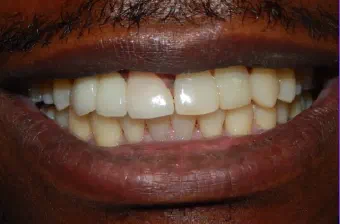
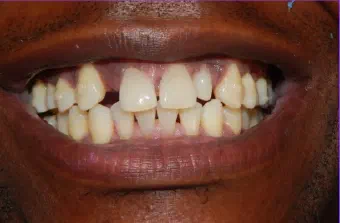
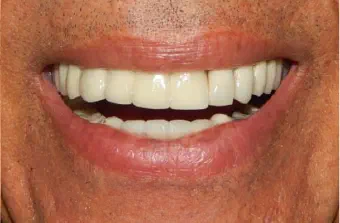
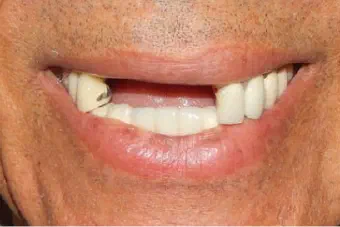
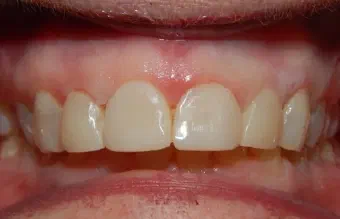
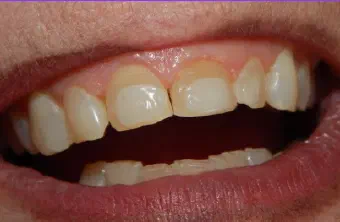
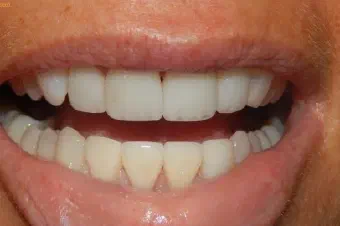
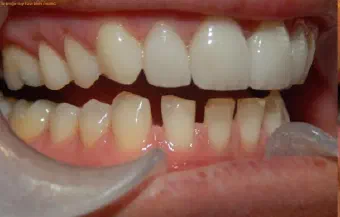
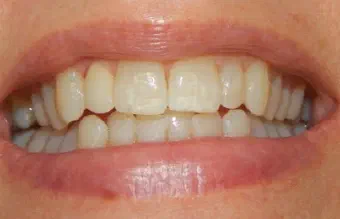
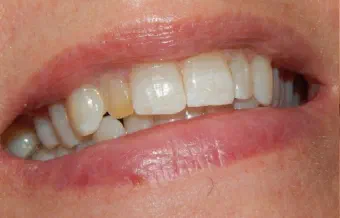
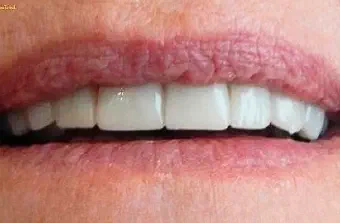
Drag the centre line to compare each real case treated by our dental team. Every smile begins with a personal assessment and a plan shaped around the patient.

Areas We Serve

Neighbourhood dental care, close to home.

Located in Cookstown, Innisfil, our dental team welcomes patients from communities across South Simcoe, Barrie, and northern York Region.

Get directions
  • Cookstown
  • Innisfil
  • Simcoe
  • Lake Simcoe
  • Alcona
  • Stroud
  • Lefroy–Belle Ewart
  • Gilford
  • Churchill
  • Sandy Cove
  • Innisfil Heights
  • Fennell’s Corners
  • Bradford
  • Bradford West Gwillimbury
  • Bond Head
  • Newton Robinson
  • New Tecumseth
  • Alliston
  • Beeton
  • Tottenham
  • Adjala–Tosorontio
  • Everett
  • Loretto
  • Barrie
  • Essa
  • Thornton
  • Baxter
  • Angus
  • Egbert
  • Ivy
  • Utopia
  • York Region
  • East Gwillimbury
  • Queensville
  • Holland Landing
  • Sharon
  • Schomberg
  • Nobleton

Don’t see your community listed? Contact us—we regularly welcome patients from throughout the surrounding region.

Google reviews

Kind words from our patients.

Read what patients have shared about their visits to Cookstown Dental Centre.

A dentist having a friendly consultation with a patient in a bright dental clinic

Your next step

Ready to feel good about your next dental visit?

Whether you are new to the clinic or returning for care, our team is here to make booking simple and answer your questions.

Call Book Now WhatsApp

How can we help?

The Cookstown Dental team is here for you.

Need an appointment, have a question, or want to talk through your options? Choose the next step that works best for you.

Send us a note

We’ll get back to you as soon as we can.